Our Treatments
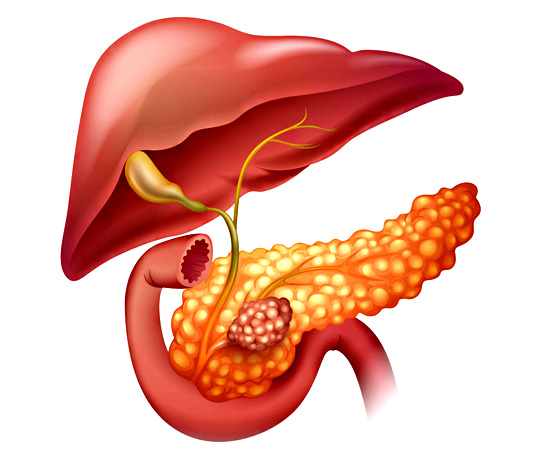
Hepato Pancreato Biliary Surgery
Hepato-pancreato-biliary (HPB) surgery consists of the general surgical treatment for benign and malignant diseases of the liver, pancreas, gallbladder, and bile ducts.
Read More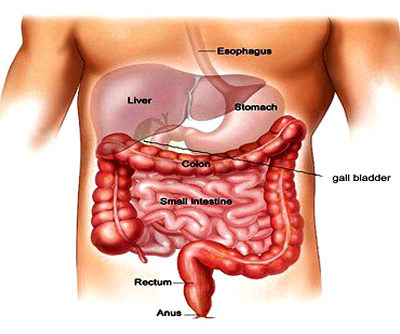
Upper GI Surgery
Upper gastrointestinal (GI) surgery is surgery performed to treat pathologies of either the upper gastrointestinal tract (small bowel), gall bladder, liver, pancreas or oesophagus.
Read More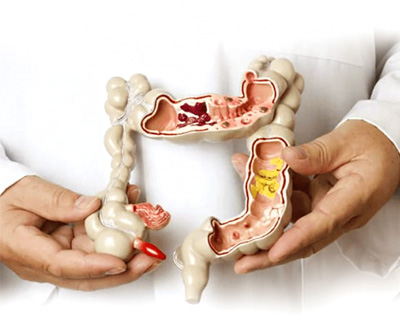
Colorectal Surgery
Colorectal surgery is a type of surgery that is performed to treat conditions of the colon, rectum, and anus. These conditions can include cancer, Crohn's disease...
Read More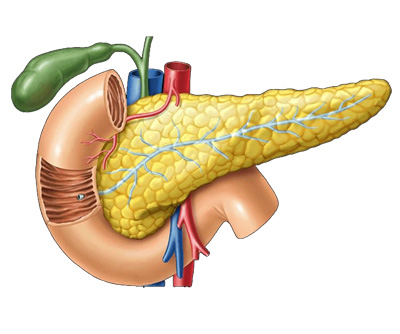
Laparoscopic Cholecystectomy
Laparoscopic cholecystectomy is a minimally invasive surgery used to remove the gallbladder. The surgery is performed through several small...
Read More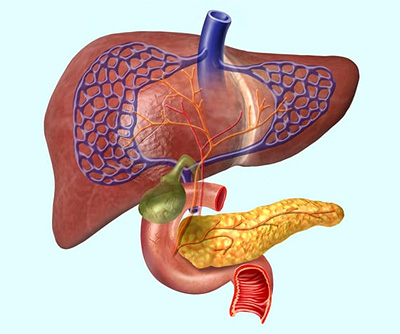
Liver (Tumors) and Infection
The liver is an organ about the size of a football. It sits just under your rib cage on the right side of your abdomen.
Read More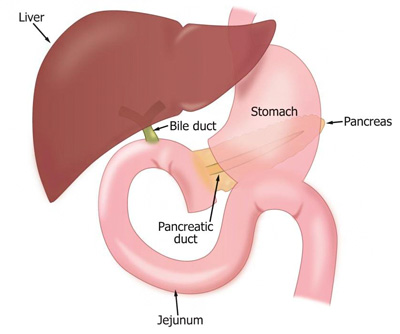
Pancreatic Surgery Like Whipples
A Whipple procedure also known as a pancreaticoduodenectomy is a complex operation to remove the head of the pancreas, the first part...
Read More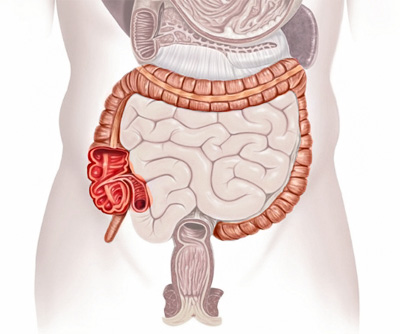
Small and Large Intestine Infection
The human gastrointestinal tract is home to a large number of microorganisms, including bacteria, viruses, and fungi.
Read More
Cancer Surgery
Cancer surgery is a very serious and delicate operation. There are many different types of cancer surgery, and each type has its own specific risks and complications.
Read More
Colorectal Cancer Surgery
Cancer is a devastating disease that takes the lives of far too many people each year. One of the most common and deadly types of cancer is colorectal cancer.
Read More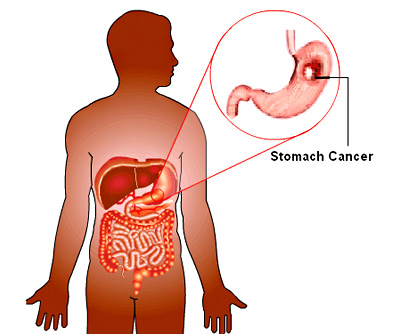
Stomach Cancer Surgery
When it comes to cancer, there are many different types that can affect different parts of the body. One type of cancer that affects a vital organ is stomach cancer.
Read More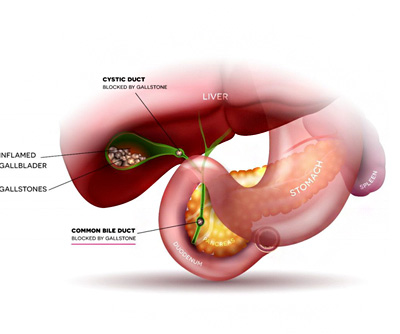
Biliary Duct Surgery
Biliary duct surgery is a procedure to remove blockages in the biliary ducts. These ducts are responsible for carrying bile from the liver to the small intestine.
Read More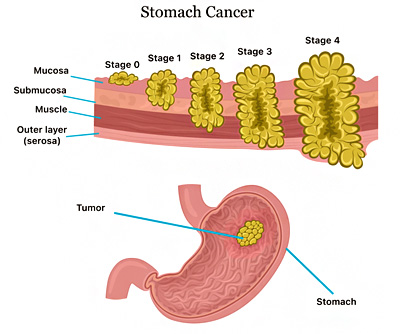
Abdominal Tumor Surgery
An abdominal tumor is an abnormal growth of tissue in the abdominal cavity. There are many different types of abdominal tumors, and they can be benign (non-cancerous)...
Read More