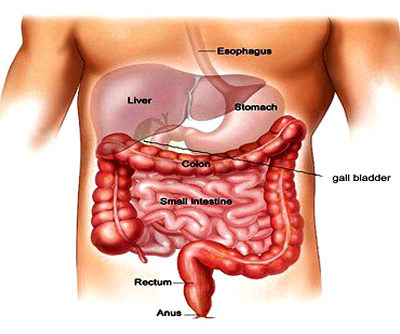
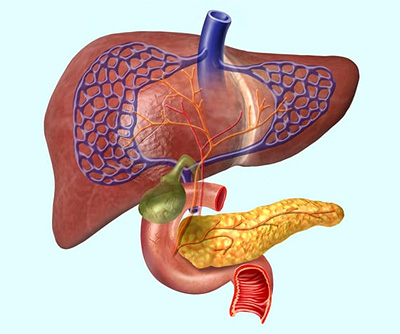
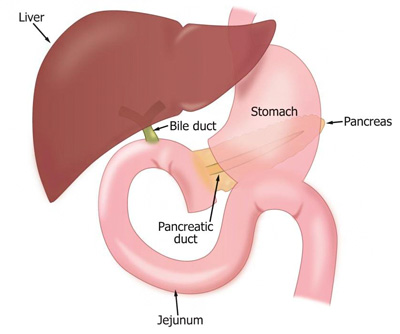
Upper gastrointestinal (GI) surgery is surgery performed to treat pathologies of either the upper gastrointestinal tract (small bowel), gall bladder, liver, pancreas or oesophagus.
Conditions Treated by Upper GI Surgery
The upper gastrointestinal tract is vulnerable to several conditions that may need surgical treatment Upper GI surgery can be done as a:
Oesophagectomy surgery to treat oesophageal tumours, and it involves removing all or part of the oesophagus.
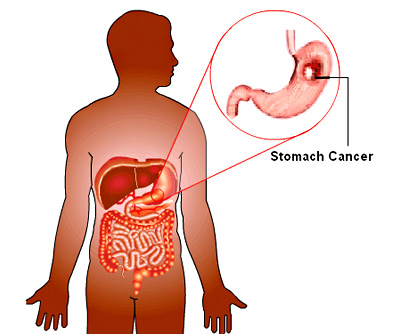
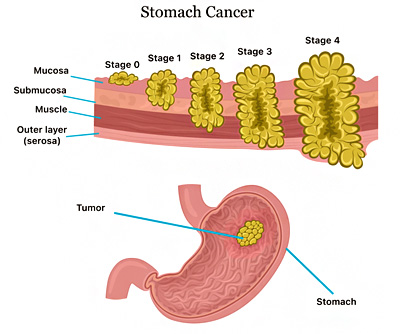
Gastrectomy, a surgery to treat stomach tumours. This involves the full or parial removal of the stomach and nearby lymph nodes.
Minimally invasive laparoscopic surgery. This can be used for resection (removal) of stomach and oesophageal tumours.
A doctor might recommend upper gastrointestinal (GI) surgery if a patient suffers from symptoms including bloating, abdominal pain, heart burn, swallowing difficulties and acid regurgitation. The condition is first evaluated using diagnostic techniques to find the underlying conditions.
Symptoms that may motivate someone to find out if upper gastrointestinal (GI) surgery is right for them may be due to conditions such as:
Inflammation of the stomach
Gastritis or duodenum
Gastroesophageal reflux disease (GERD)
Peptic ulcers (sores)
Treatments


Dr. Mayur Porwal
Minimally Invasive Surgical Solutions
Expert in GI Laparoscopy Surgery
& Specialist in Hepatopancreaticobiliary Surgery